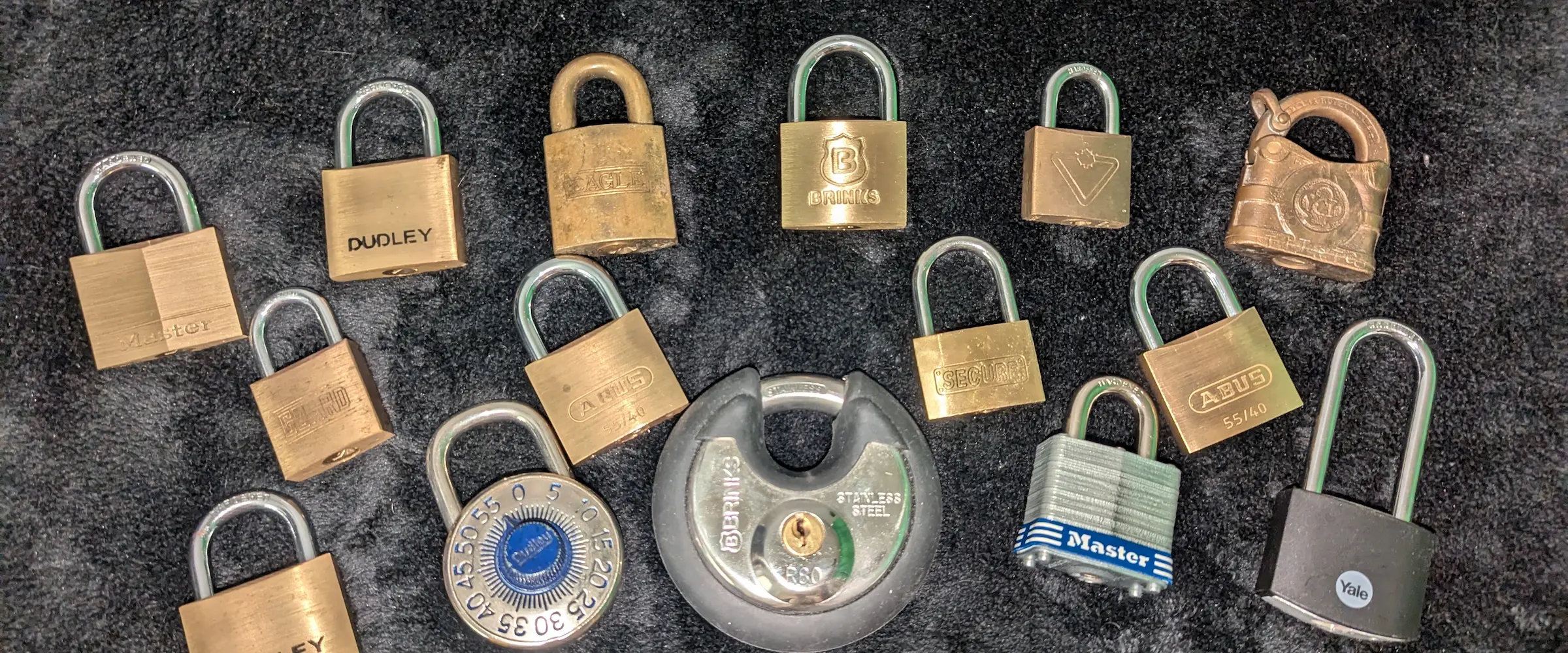
There's a dangerous assumption baked into most hardware store shopping: if it has a keyhole and a shackle, it's secure. It isn't. The difference between a $6 padlock and a $22 one isn't just build quality — it's the difference between a deterrent and a joke. After testing twelve of the most common budget padlocks on the market, the spread between best and worst is genuinely alarming.
We evaluated each lock across picking resistance, physical attack resistance, bypass vulnerabilities, and build quality. Prices are current retail as of early 2026. Here's the full breakdown — starting with the ones worth your money.
Locks That Actually Earn It
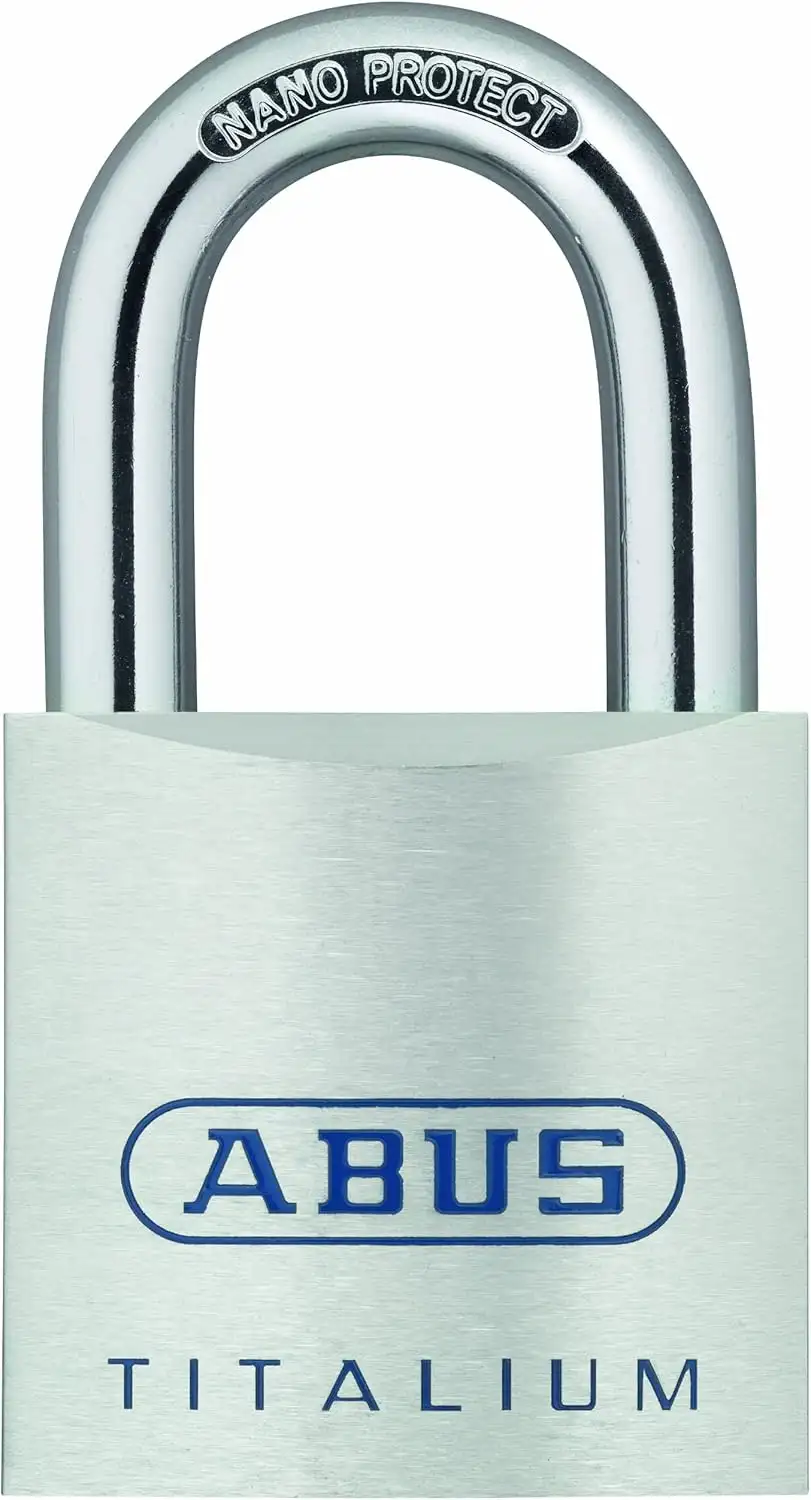
The ABUS Titalium line shouldn't exist at this price point and yet here it is. The body is made from a special aluminum alloy that ABUS calls Titalium — lighter than brass, harder than standard aluminum, and genuinely rust-resistant in a way that most budget locks aren't. It's not just a marketing name; the material holds up.
Picking it is noticeably harder than anything else in this price range. The cylinder is tight, the tolerances are real, and it doesn't give you the sloppy feedback that makes cheap locks so easy to rake. For a gym locker, a shed, or anything where weight matters, this is the one to buy.
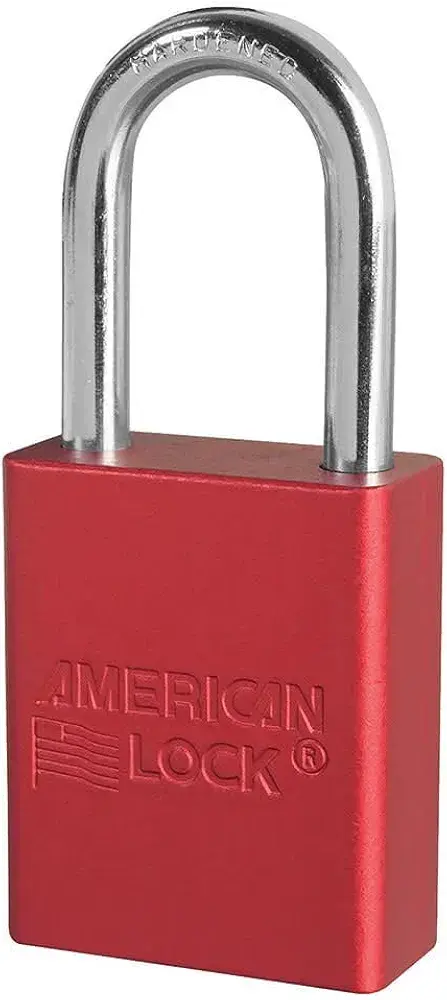
Here's a useful benchmark: if a lock shows up in locksport communities as something beginners struggle with, it means experienced people designed it. The American Lock A1100 has security pins — serrated and spool — that create genuine false sets and slow down anyone who knows what they're doing, let alone someone who doesn't.
The solid aluminum body won't win beauty contests but it's built to take abuse. The boron shackle resists bolt cutters better than standard steel at this price point. Made in the USA. At under $18, it's one of the most honest security-to-dollar ratios in this roundup.
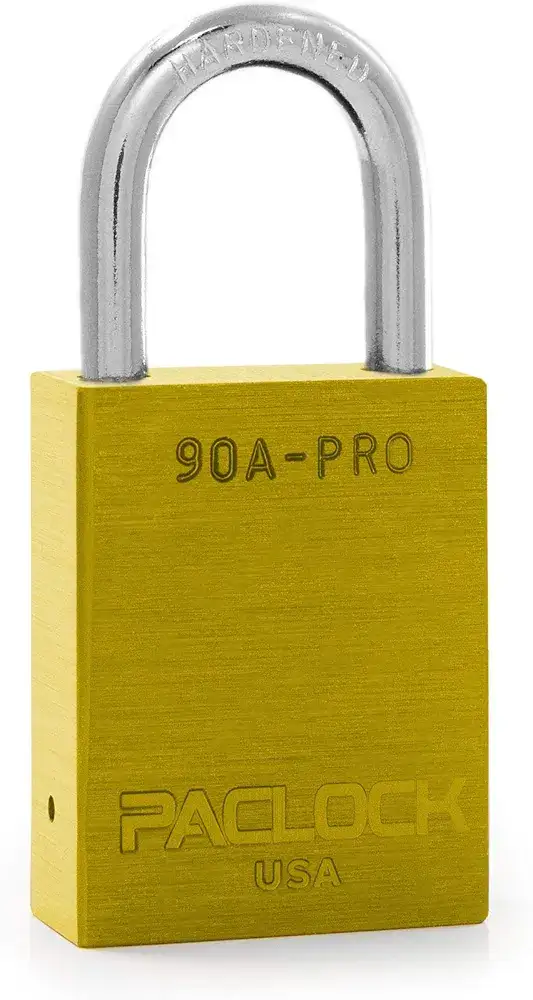
Most cheap padlocks use a 4-pin cylinder. The PACLOCK 90A-PRO ships with a 6-pin or 7-pin option — and each additional pin is another variable a picker has to work through. The math matters. 4-pin locks have 64 possible pin combinations per bitting. 6-pin locks have 4,096. That's not a small gap.
PACLOCK is an American company and it shows in the fit and finish. The cylinder is precise, the feel is professional, and it punches significantly above its price class. If you want the maximum pick resistance under $30, this is the one.
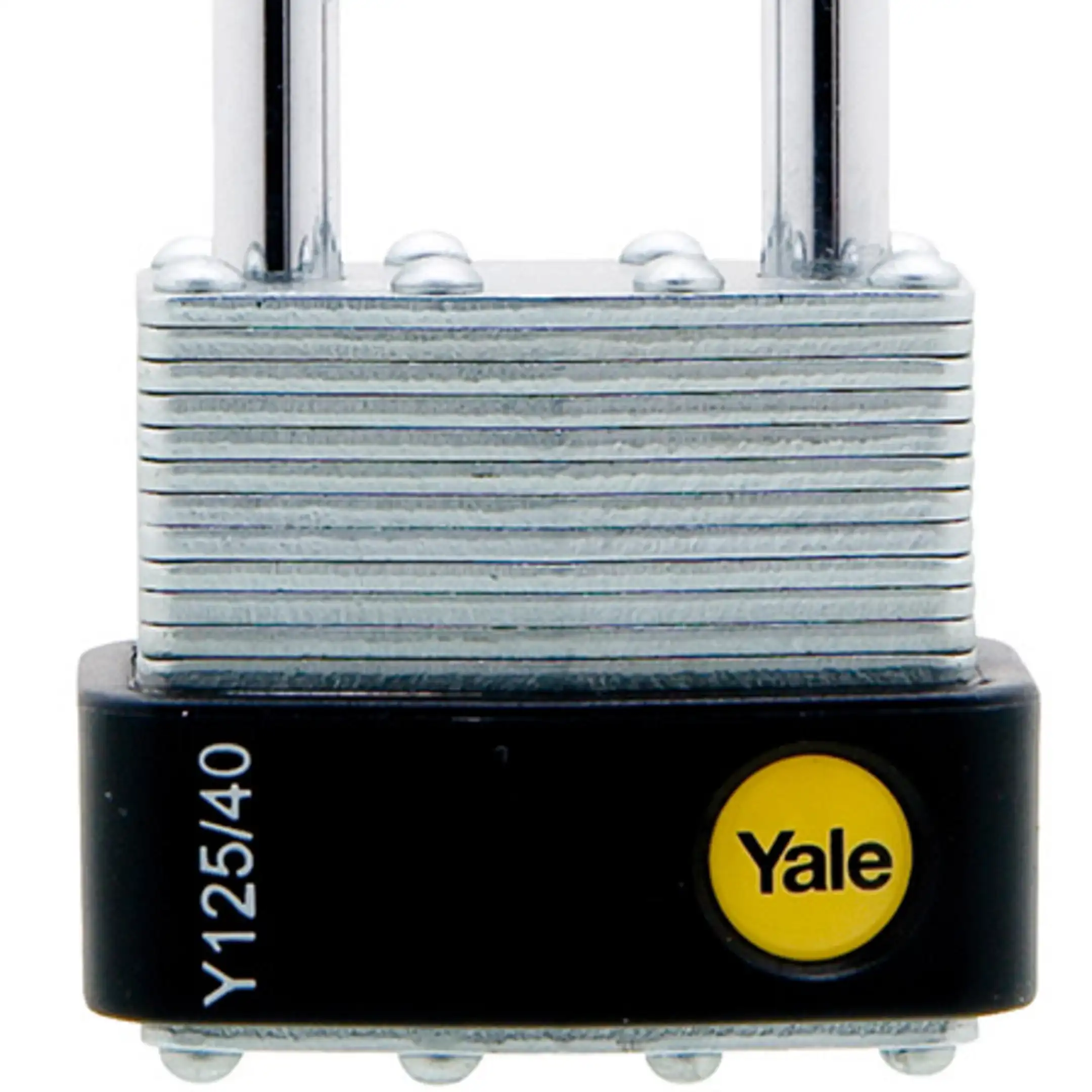
At under $12, you're not getting a high-security lock. You're getting an honest budget lock — and there's a difference between those two things. The Yale Y125/40 uses a 5-pin core and has more pick resistance than anything else at this price. The laminated steel body is tougher than it looks.
This is a garden shed lock. A storage bin lock. A gym locker lock. Use it for exactly that and it earns its price tag. Don't put it on anything you'd be devastated to lose.
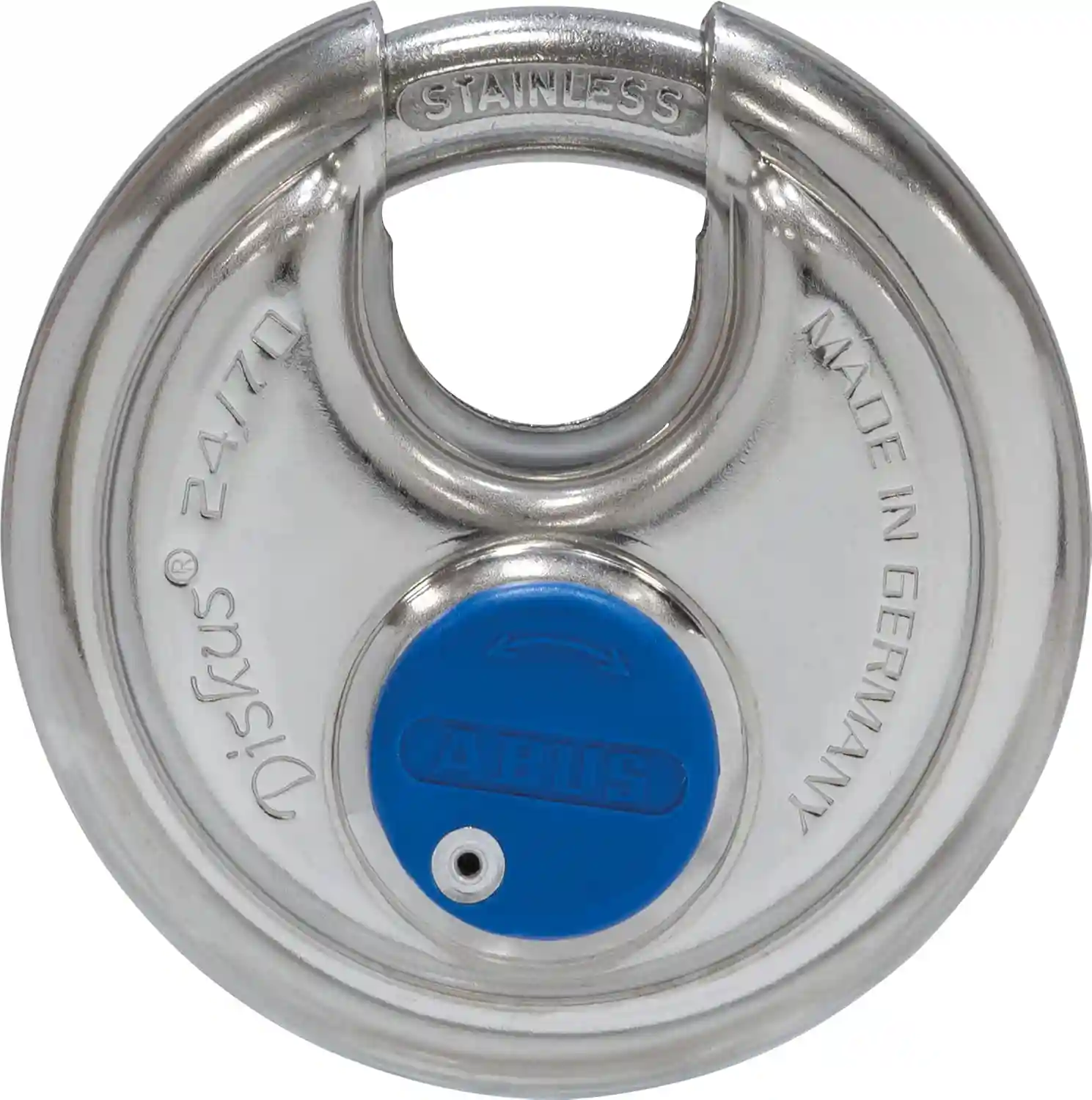
Most padlocks get cut the same way: bolt cutters grip the exposed shackle and squeeze. The Diskus design removes that option. The disc-shaped body shrouds the shackle almost completely — there's nowhere for the jaws to get purchase. On a storage unit door or a shed hasp where someone might try bolt cutters before anything else, this design choice matters more than cylinder quality.
The 24IB uses stainless steel throughout, making it genuinely weather-resistant. If your threat model is "someone with bolt cutters who wants in fast," this is the smartest shape you can buy at this price.
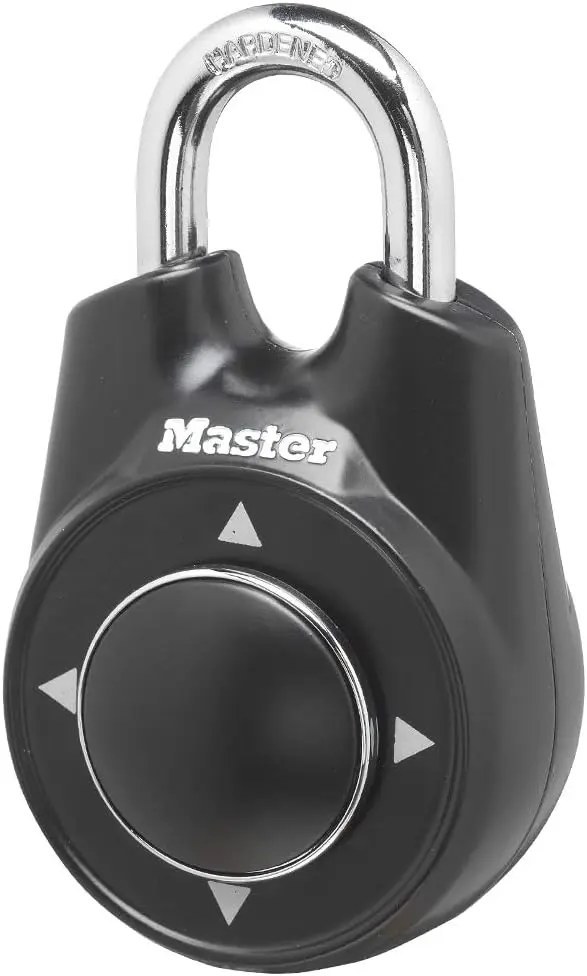
We'll be honest: this is the only Master Lock in the "good" half of this list, and it's here for a specific reason that has nothing to do with security. The Speed Dial replaces a traditional combination dial with directional inputs — up, down, left, right — making it fast to open in the dark, with gloves on, or for anyone with limited dexterity. That's a genuinely useful feature that no other budget lock offers.
Security-wise it's average at best. Don't trust it with anything valuable. But if accessibility is the priority — a school locker, a gym bag, something low-stakes — this solves a real problem elegantly.
Locks to Avoid (or Understand)
These aren't all bad products — some serve a purpose. But none of them should be on anything you'd be genuinely upset to lose. Here's what's wrong with each one.
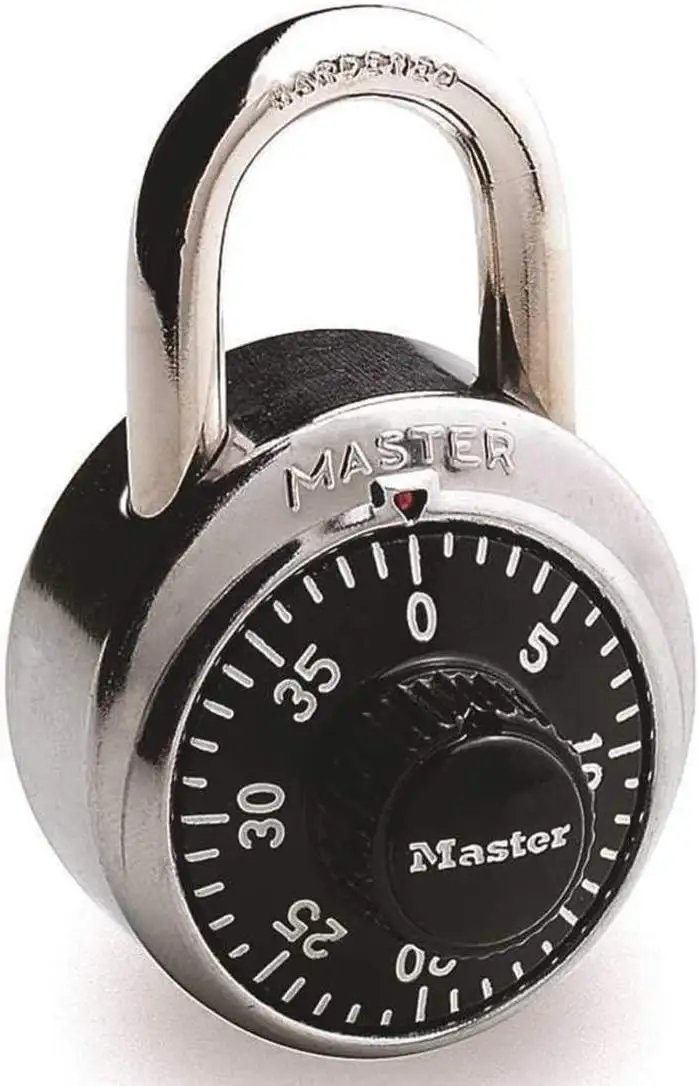
The classic school locker lock. You've used one. Your kids use one. And the combination can be decoded in under two minutes by anyone who knows the standard Master Lock decoding technique — which has been publicly documented for years and involves nothing more than a tension wrench and some counting.
It's also shimmable, meaning a thin piece of metal inserted into the shackle hole can retract the latch without the combination. Fine for a locker where the contents aren't worth the effort. Not fine for anything else.
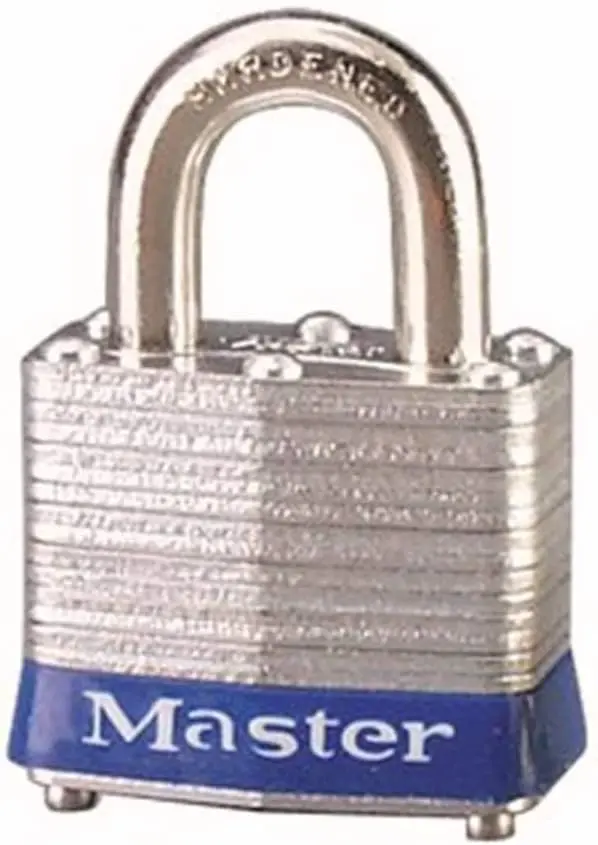
We've covered this one in depth elsewhere on the site. The short version: the Master Lock No. 3 is so easy to pick that it's used as a training lock in beginner locksport classes. Insert a rake, apply light tension, wiggle for about a second, it opens. We've done it with a bobby pin. We've done it with a piece of wire. It's not a security product.
The laminated steel body looks substantial. The mechanism inside is not. If you have one of these on your shed, your storage unit, or anywhere you've convinced yourself is "locked" — replace it this week.
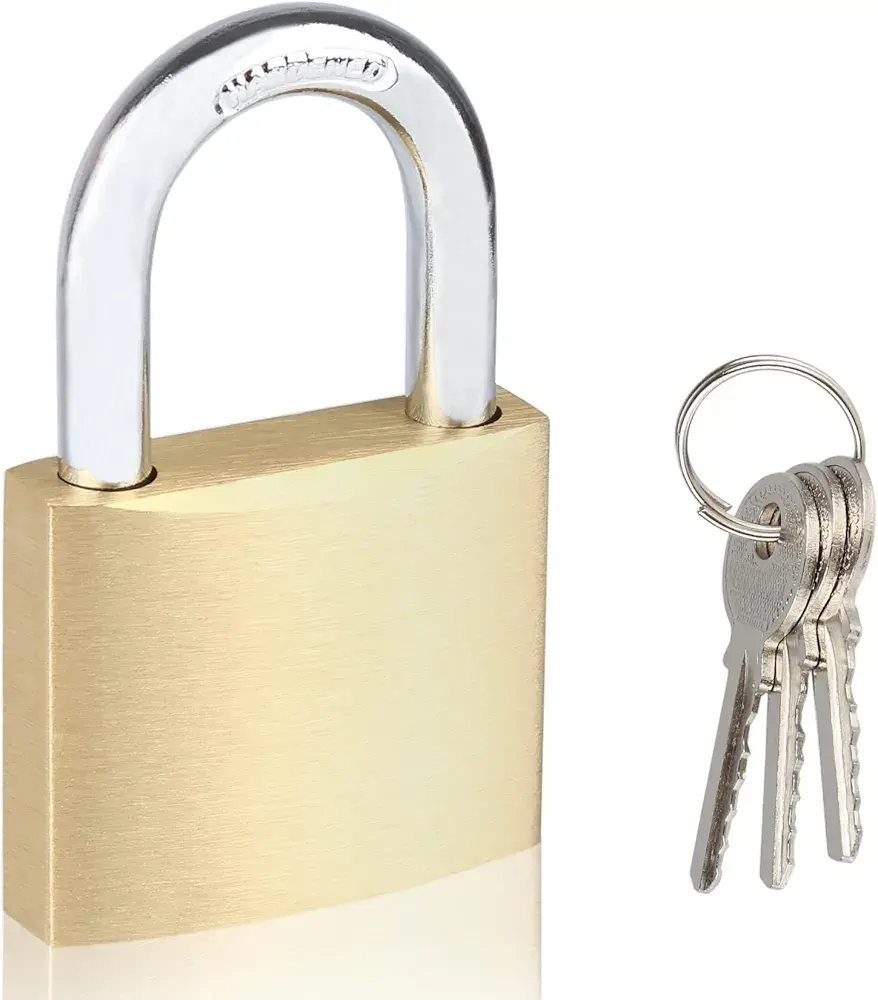
Unbranded brass padlocks — the kind sold loose in bins at hardware stores, gas stations, and online marketplaces — are essentially white-label products with no security pins, no quality control, and no accountability. We've opened them with a comb pick in under three seconds. We've opened them by pressing a blank key blank into the keyway and applying tension. Some we opened by rapping the body sharply with a palm.
These exist to look like locks. They perform the visual function of security. That's the entirety of their value. Do not use them for anything.
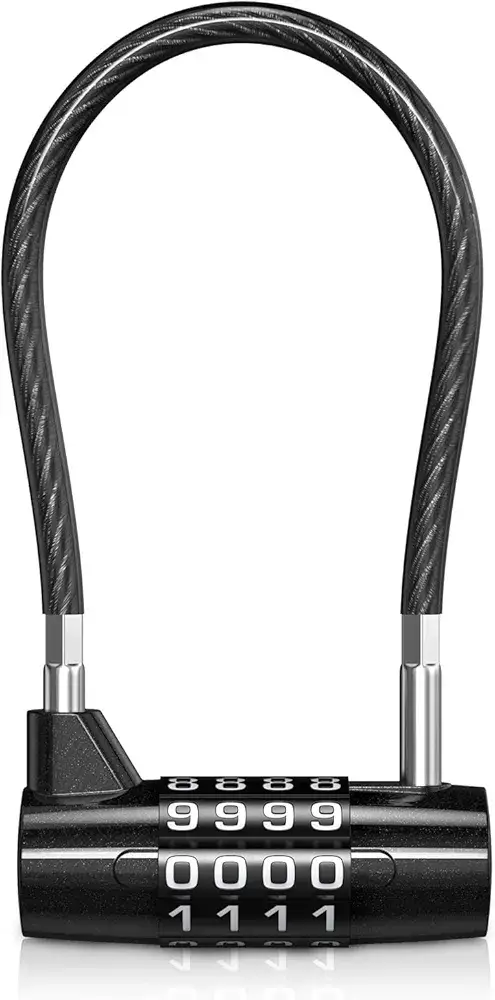
These are all over Amazon with thousands of reviews from people using them for luggage and gym bags. The dial feel is sloppy — loose in a way that makes it hard to land on a digit reliably — and the reset mechanism is so basic that guessing the combination by feel alone is a documented technique that takes a patient person maybe ten minutes.
The shackle is thin enough that a decent pair of bolt cutters removes it in under five seconds. For a gym locker where you're mostly keeping an honest person honest, it's fine. For anything else: no.
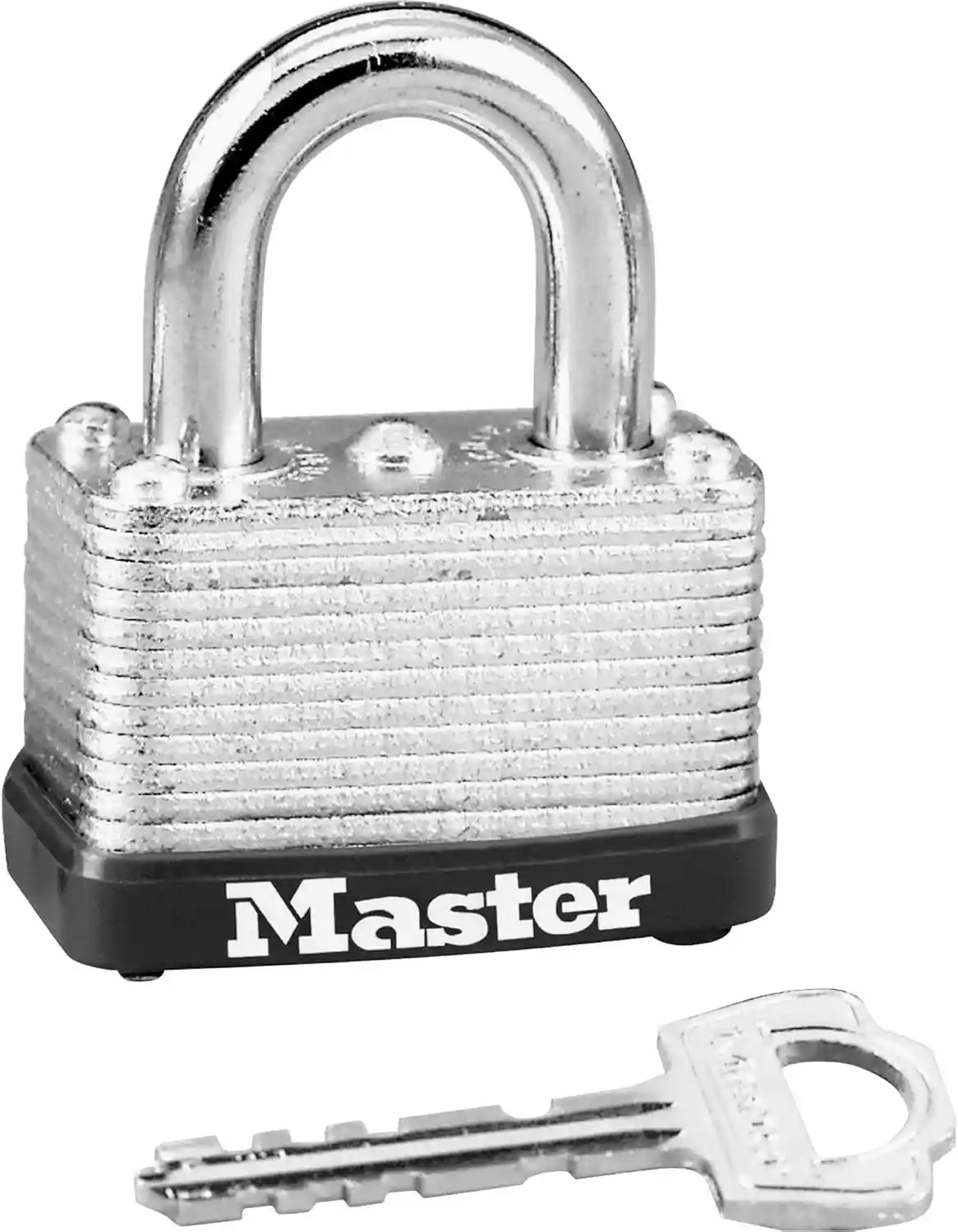
Warded locks use an internal barrier system that dates back centuries. The "key" just needs to clear the wards — meaning a skeleton key (a set of warded picks costs about $3 online) opens virtually every warded lock ever made, regardless of brand, regardless of price. Two seconds. Every time.
These survive in the market because they look like locks and most people don't know how locks work. Now you do. Don't buy them. Don't trust them. If you have one in use somewhere, the thing protecting your stuff right now is the statistical odds that whoever might steal from you doesn't own a $3 set of skeleton keys.
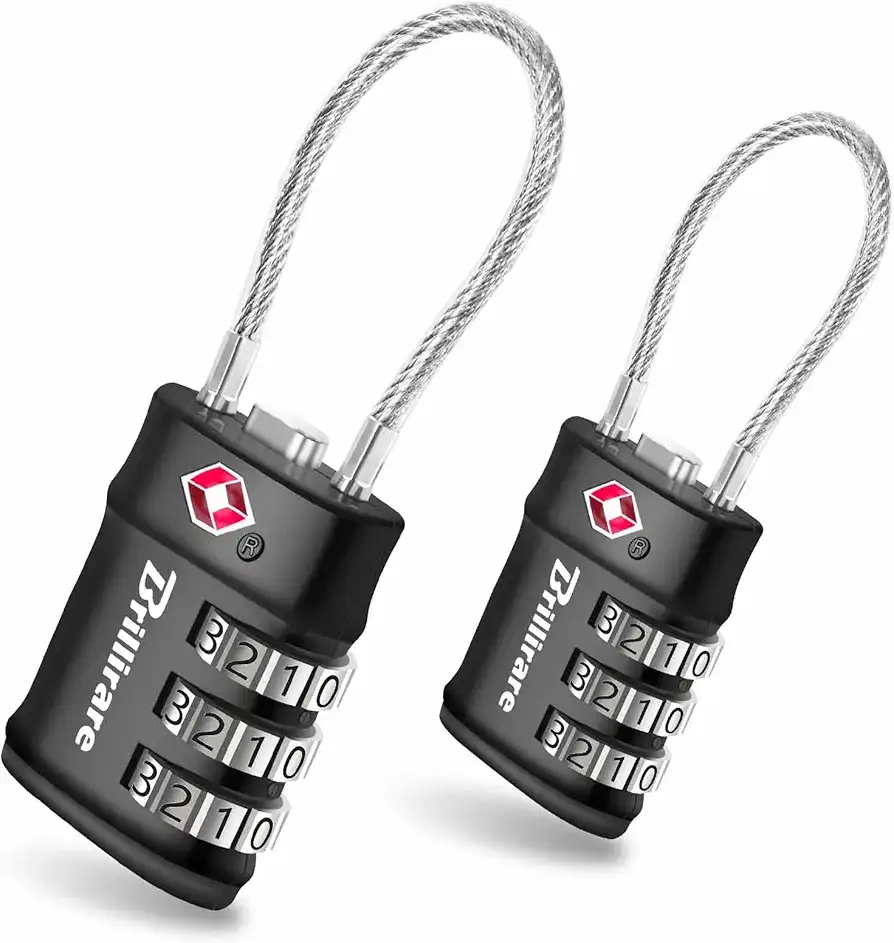
TSA-approved locks have a master keyway that TSA agents can use to open your bag without cutting the lock. Those master key profiles have been publicly available since 2015 when someone photographed the TSA's key set and 3D-printable files appeared online within days. The TSA master key is not a secret.
Beyond that, the shackles on luggage locks are thin enough to snip with pliers or a multi-tool. These locks exist to keep your bag closed during transit and to satisfy the airline. They are not security devices. Use them for travel. Never use them for anything else.
Most thieves use bolt cutters or hammers, not lockpicks. For maximum real-world protection, the shape of the lock often matters more than the cylinder inside it.
What Actually Matters When Buying a Budget Lock
After running through all twelve, a few things are clear. First: pin count matters more than price. A 6-pin cylinder at $22 is meaningfully harder to pick than a 4-pin cylinder at $18. Second: shackle shape matters more than most people realize — a shrouded or discus design removes bolt-cutter attacks from the table entirely. Third: the lock is only one part of the system. A great padlock on a cheap hasp screwed into soft wood is not a secure installation. The weakest link decides the outcome.
If you take nothing else from this: throw out your Master Lock No. 3. Today. It is not protecting anything.
You Don't Have to Spend a Lot. But You Have to Spend Something.
The gap between the best and worst locks on this list is enormous — and most of them cost within $15 of each other. The ABUS 80TI/50 and the American Lock A1100 offer genuine security for under $25. The generic brass locks and warded padlocks on the other end offer nothing but the appearance of it.
Pick the right lock for the threat you're actually defending against. If it's bolt cutters: get a Diskus. If it's picking: get the PACLOCK or American Lock. If it's convenience at low stakes: the Yale Y125/40 does the job cheaply. Just don't default to whatever's on sale at eye level — that's usually how you end up with a Master Lock No. 3 on something you care about.